Technology & Innovation Management (49016) Week 1
 Atlassian senior manager attended our lecture
- Innovation
- Creativity
- Innovation in organisations
- Innovation theories
Guest
Elizabeth Si - seemed very close to the lecturer Account management team strategic customer
HQ still in NSW, new building finishing up
Assessments
21st March 11.59pm 30% Idea generation and evaluation technique (1400~2200 words)
16th May 11.59pm 50% (Individual 40% Group 10%) Innovation Concept Development
Week 12 Classroom 20% Group Presentation
Innovation?
Prof:
- bringing a new value to the end-users
- changing to create to make better things for end-users
Dictionary:
- Process which through which new products, concepts, services, methods, or techniques are developed.
Meaning seems to be changing, but market leaders across the field are eager for new ideas to foster discovery, creativity and collaboration
Entities: Employees, Companies, Products/Services, Customers
Disciplines: Psych, Business, Economics, Psych
“if you’re happy, you create a good result, which gets you marks”
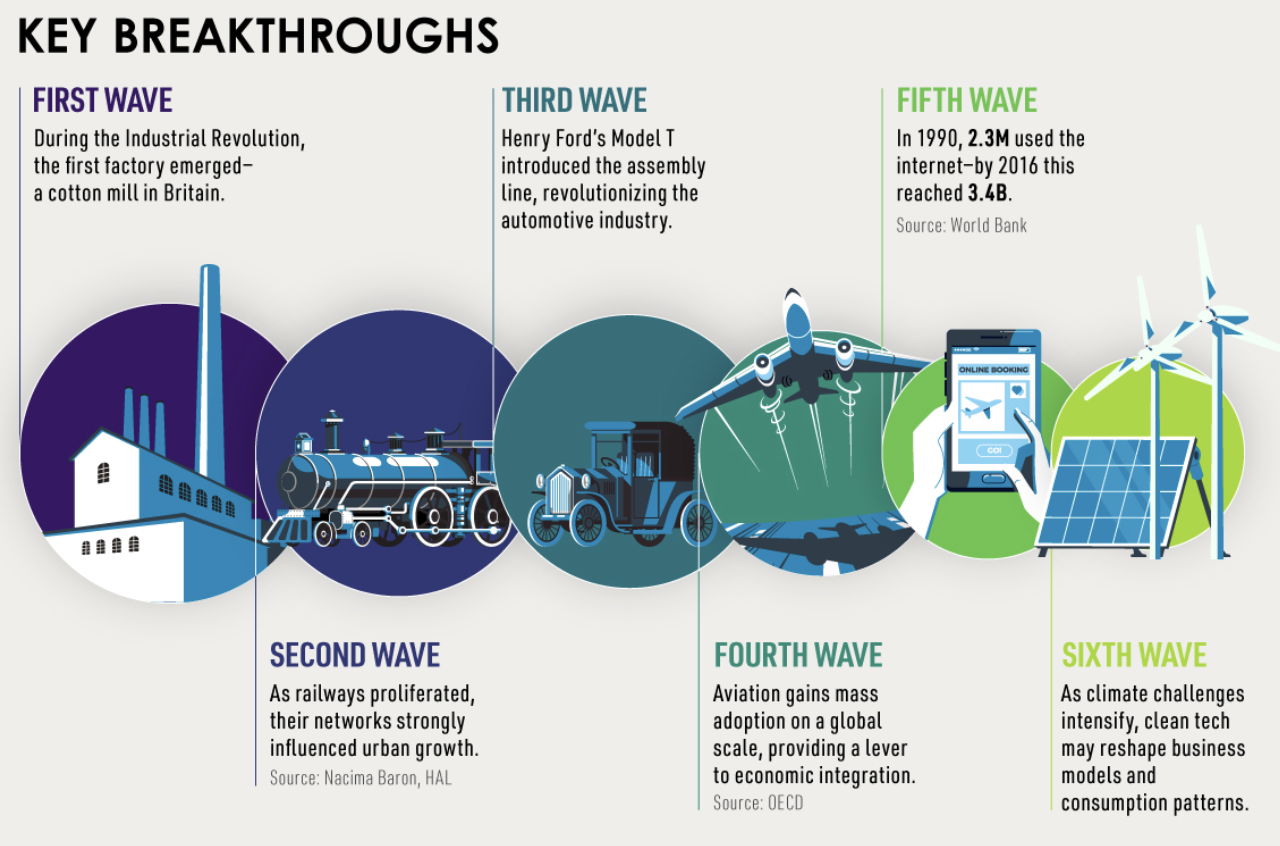
Innovation cycles
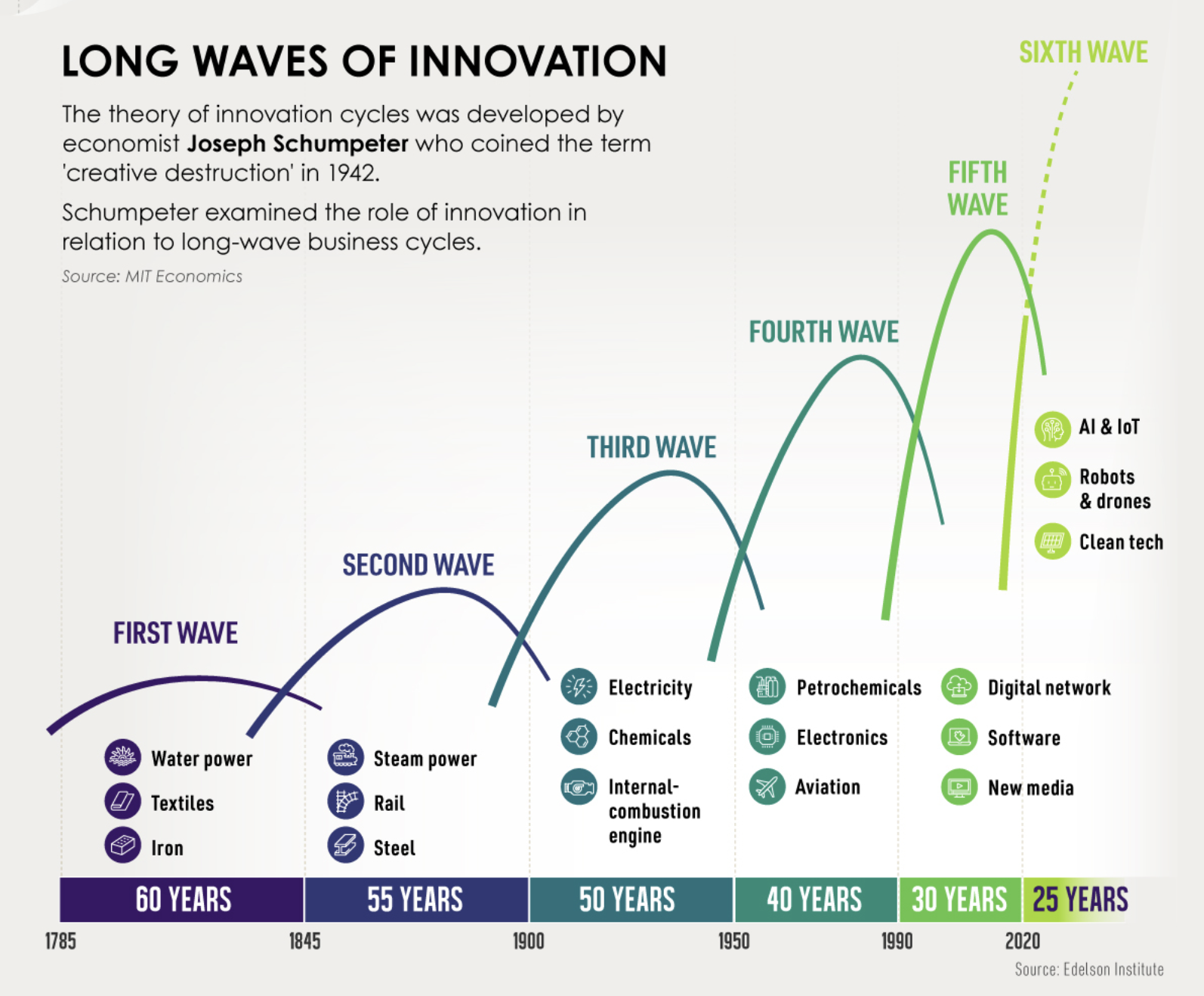
almost like playing a game of Factorio
Creativity
Dictionary:
- the ability to produce or use original and unusual ideas
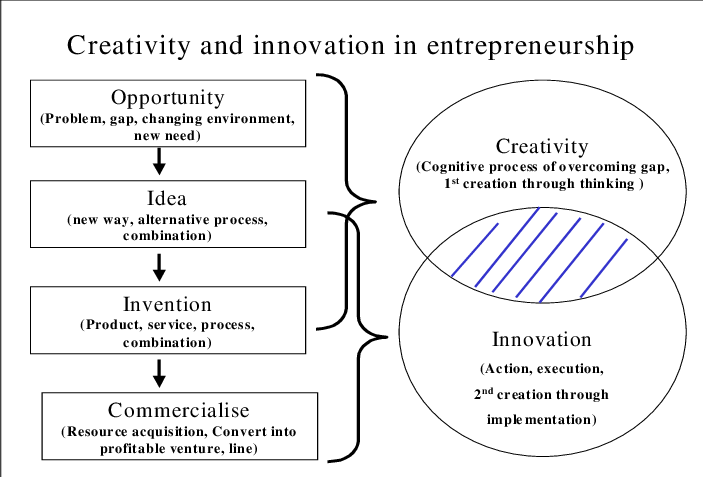
Creativity vs Innovation
Difference between the terms
Creativity is the process of generating new ideas while Innovation is the process of putting those ideas into practice
Creative Thinking
Top 10 idea-friendly time: “while at work isn’t there!”
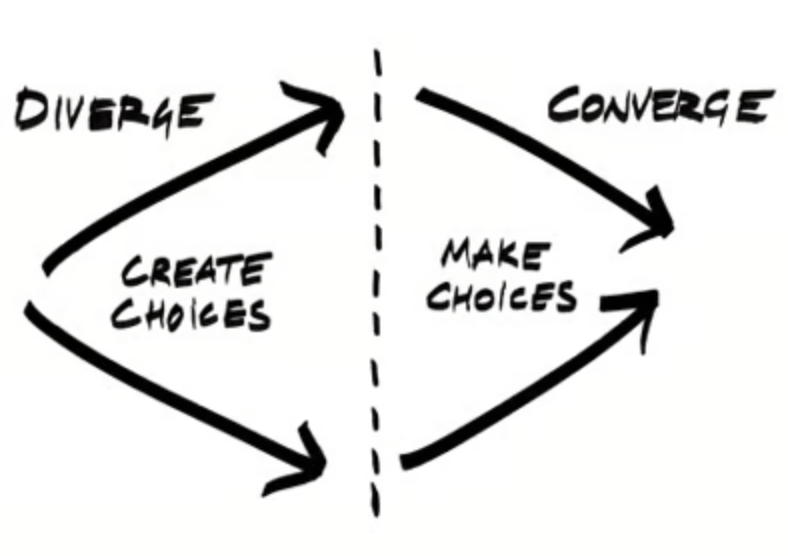
Divergent & Convergent Thinking
Divergent
- coming up with new ideas (making list)
Convergent
- choosing one and implementing (making choices)
Organisations over utilise convergent and under utilise divergent thinking (boss saying it won’t work to an employee with a new idea)
Fear of failure often discourages divergent thinking
TRIZ
Theory of Inventive Problem Solving
based on the idea that there are universal principles of innovation and problem-solving that can be applied to any field or industry.
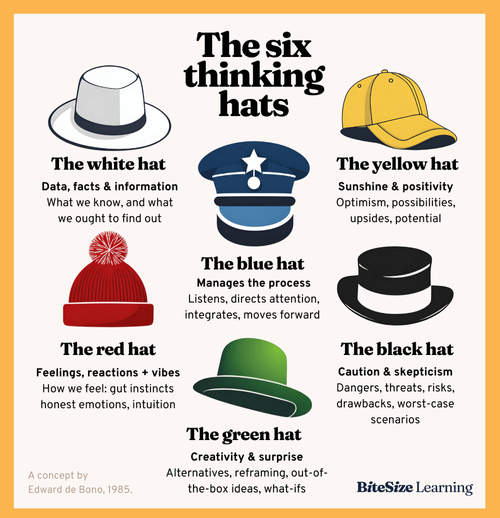
de Bono’s Six Thinking Hat
Kodak
Pioneer of digital cameras, but now its in everyone’s phone, devices.
Innovation and Significant contribution
Significant contribution is the result of thinking outside the box - considering a situation from alternative points of view.
Organisational Climate
- Challenge - what degree are people challenged & emotionally involved by the work
- Freedom - to what degree are people to decide how to do their jobs
- Idea time - do people have time to think through before taking actions
- Dynamism and Liveliness - how lively is the organisation
- Support for ideas - ideas / suggestions received in an attentive way, constructive atmosphere
- Trust and Openness - emotional safety in relationships, open communication
- Playfulness and Humour
- Conflicts - to what degree do people engage in interpersonal or personal or emotional tensions
- Debates - to what degree do people engage in lively debates about the issue
- Risk taking - Tolerance of uncertainty and ambiguity
5 pitfalls
- working on the wrong problem
- Judging ideas too quickly, giving idea no chance
- Stopping with the first idea.
- Obeying rules that don’t exist or outdated
- Failing to get sponsership and build coalitions
Power of Autonomy
Google’s 20% rule - resulted in Google Translate, News, Sky etc In a typical year, more than HALF of google’s product come from this period of pure AUTONOMY.
Collboration
POST-IT Art Fry & Spencer Silver, the idea and the marketing getting together to make great things happen
Innovation Theory
S- Curve
S-curve refers to the formation and growth of innovations from the beginning to reaching maturity
Goes through different phases (entrepreneurial, growth and declining) due to
- the advancement of tech
- the progressive user requirements
- unfolding externalities
- availability of complementary tech
- competition
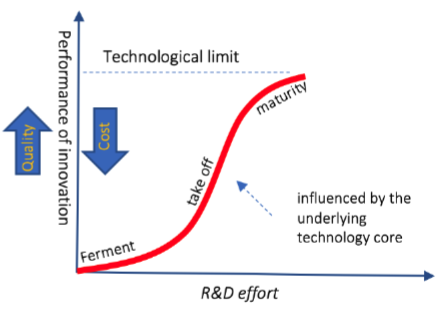
along the path of evolution, quality increases and cost decreases.
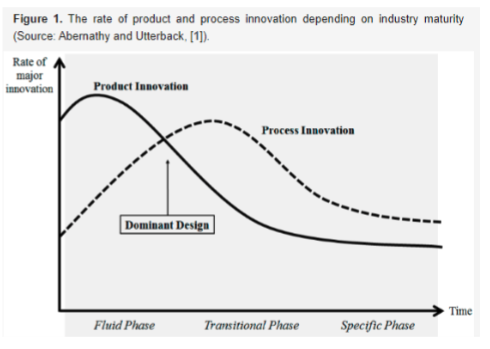
Dominant Design
This shows that when a product design is adopted by the majority of producers, typically creating a stable architecture on which the industry can focus its efforts.
Both producers and customers begin to arrive at some consensus about the desired product attributes
Once this design is selected, producers and customers focus their efforts on improving their efficiency in processes (manufacturing, delivering, marketing, deploying etc)
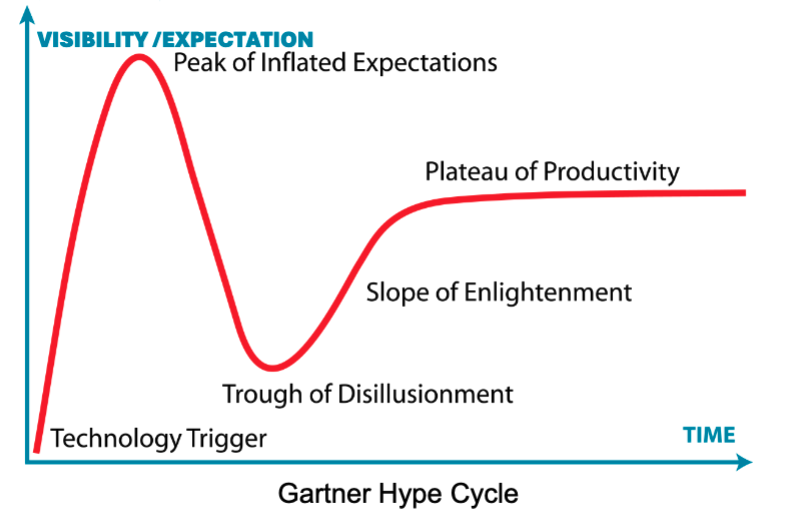
Gartner Hype Cycle
Investment also is related to it, industry would see where the world is about what they want to invest.
WazokuCrowd - Innovation Crowd