Technology & Innovation Management (49016) Week 2
Week 2
Technology Adoption
Why do companies innovate?
Startups:
- To solve unmet needs (fill a gap in the market)
Large Enterprises:
- To survive and thrive (to evolve, adapt and improve)
Necessity is the mother of all invention - Albert Einstein
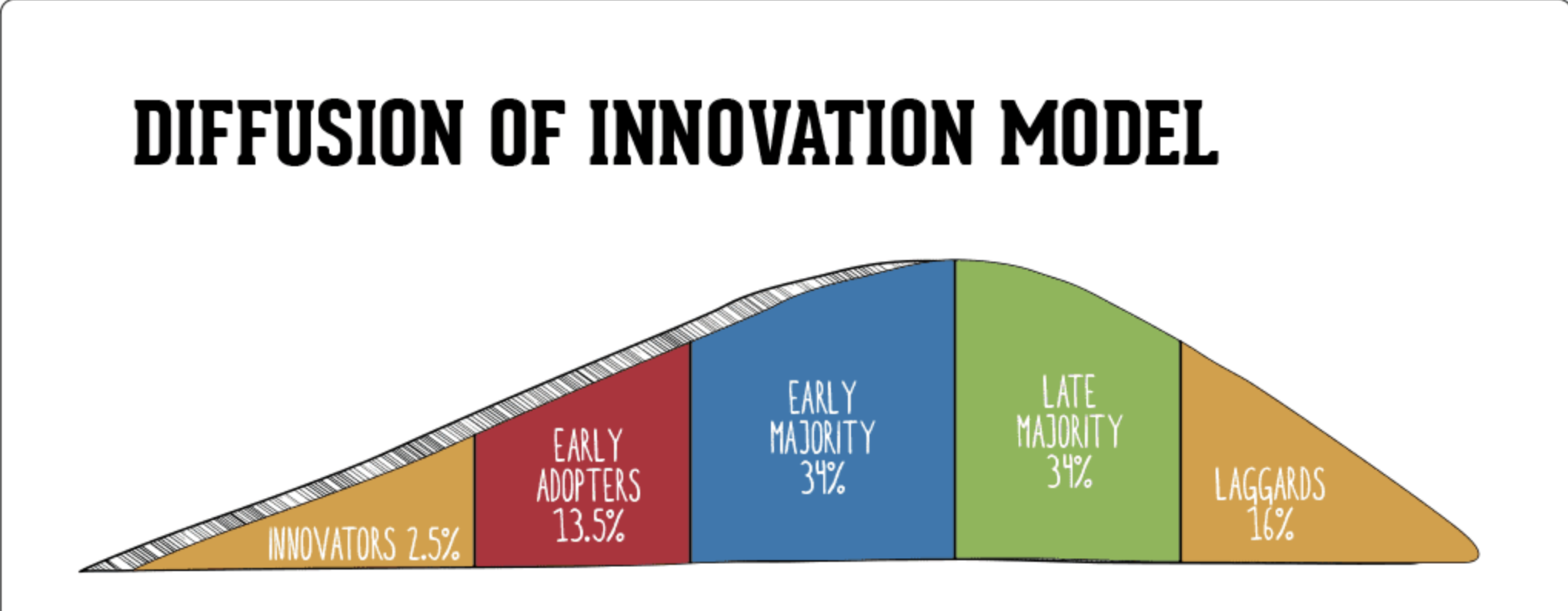
Diffusion of Innovation Model
Crossing the Chasm
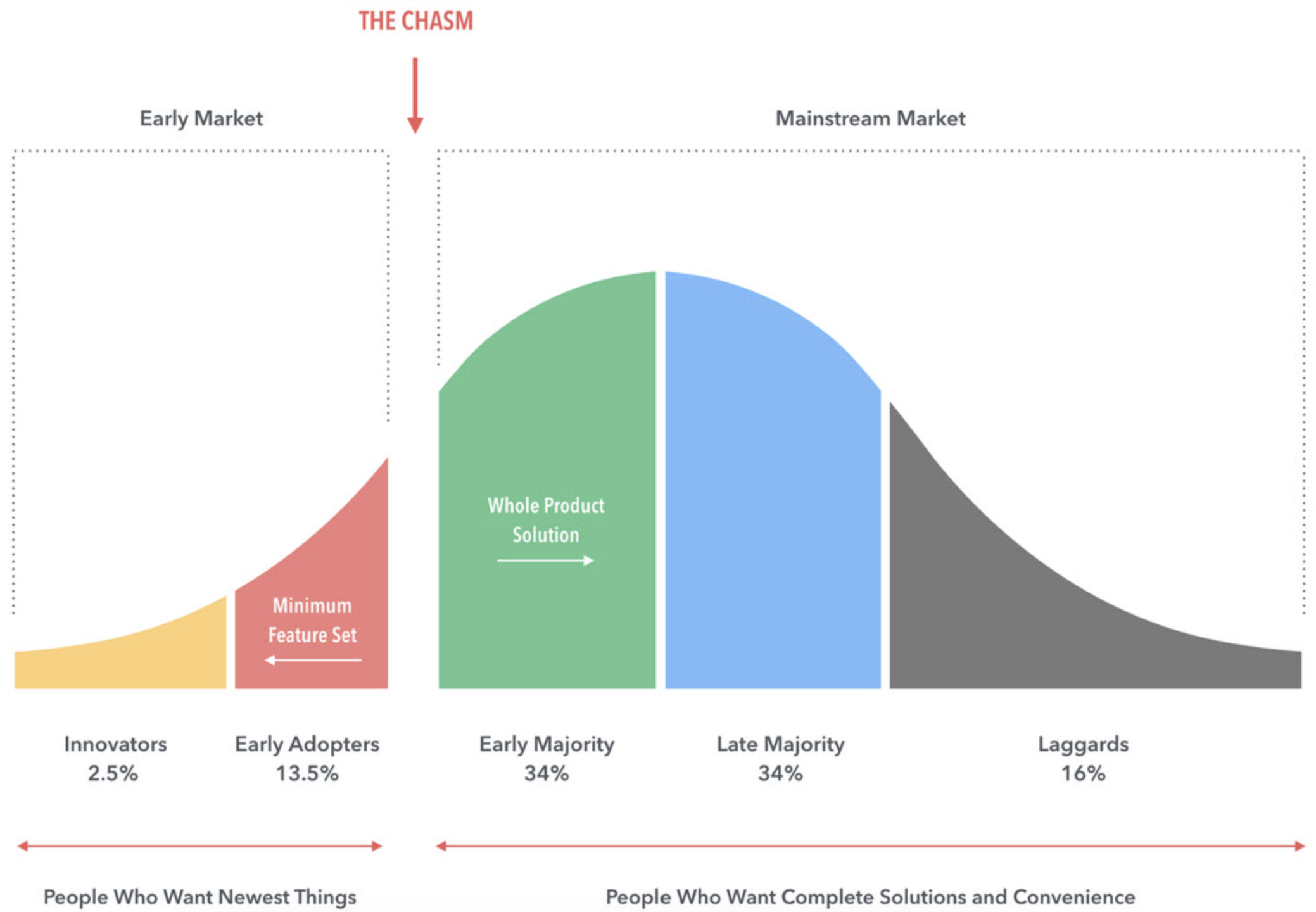
dangerous gap between early adopters (who value innovation for its own sake) and the early majority (who demand proven, pragmatic solutions). To bridge the chasm, innovators must adjust their approach, messaging, and product strategies to meet the more conservative needs of the early majority.
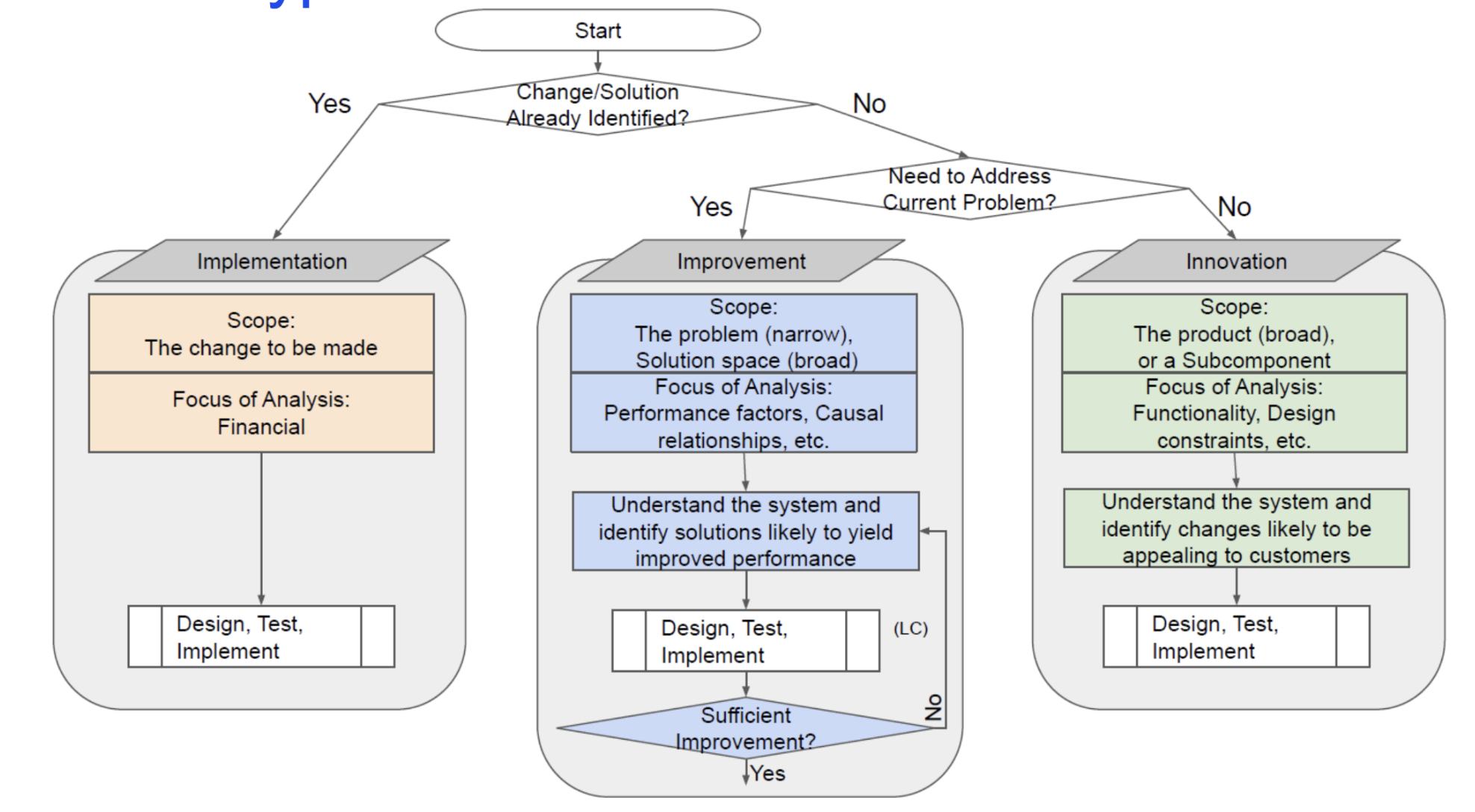
Different types of CHANGE
Challenge, solution already identified? -> Implementation
Not identifed but need to address the current problem? -> Improvement
Not identified but no need to address the current problem? -> Innovation
Innovation Process Models
Creative Process
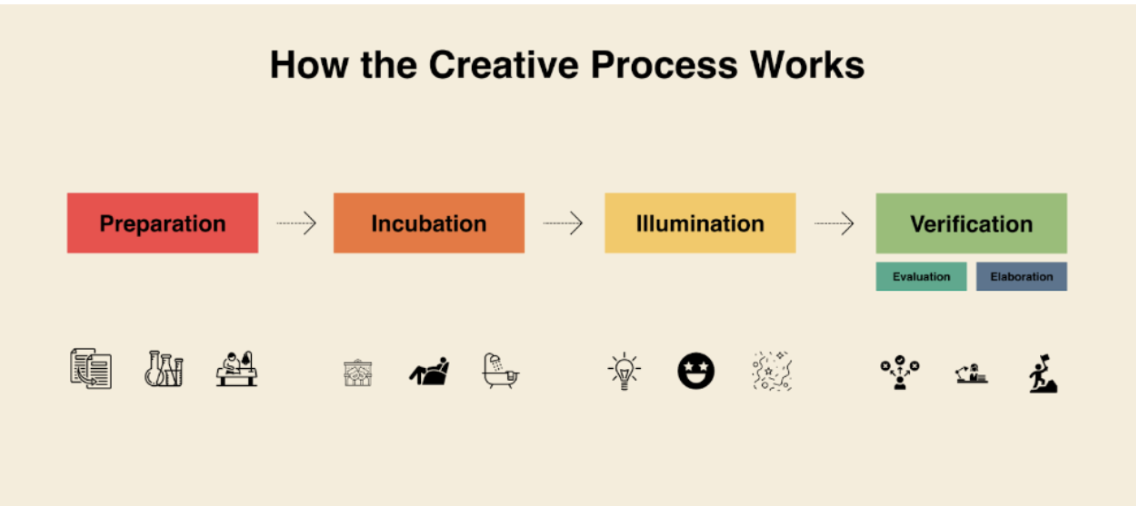
Preparation: learning the background and being totally absorbed by the problem (the process of flow)
Incubation: taking a break
Illumination: getting the Eureka
Verification: testing the idea
Discovery consists in seeing what everyone else has seen and thinking what no one else has thought -Albert Szent-Gyorgi
Innovation Funnel
How organisations generate and refine ideas, ultimately selecting a few to the market.
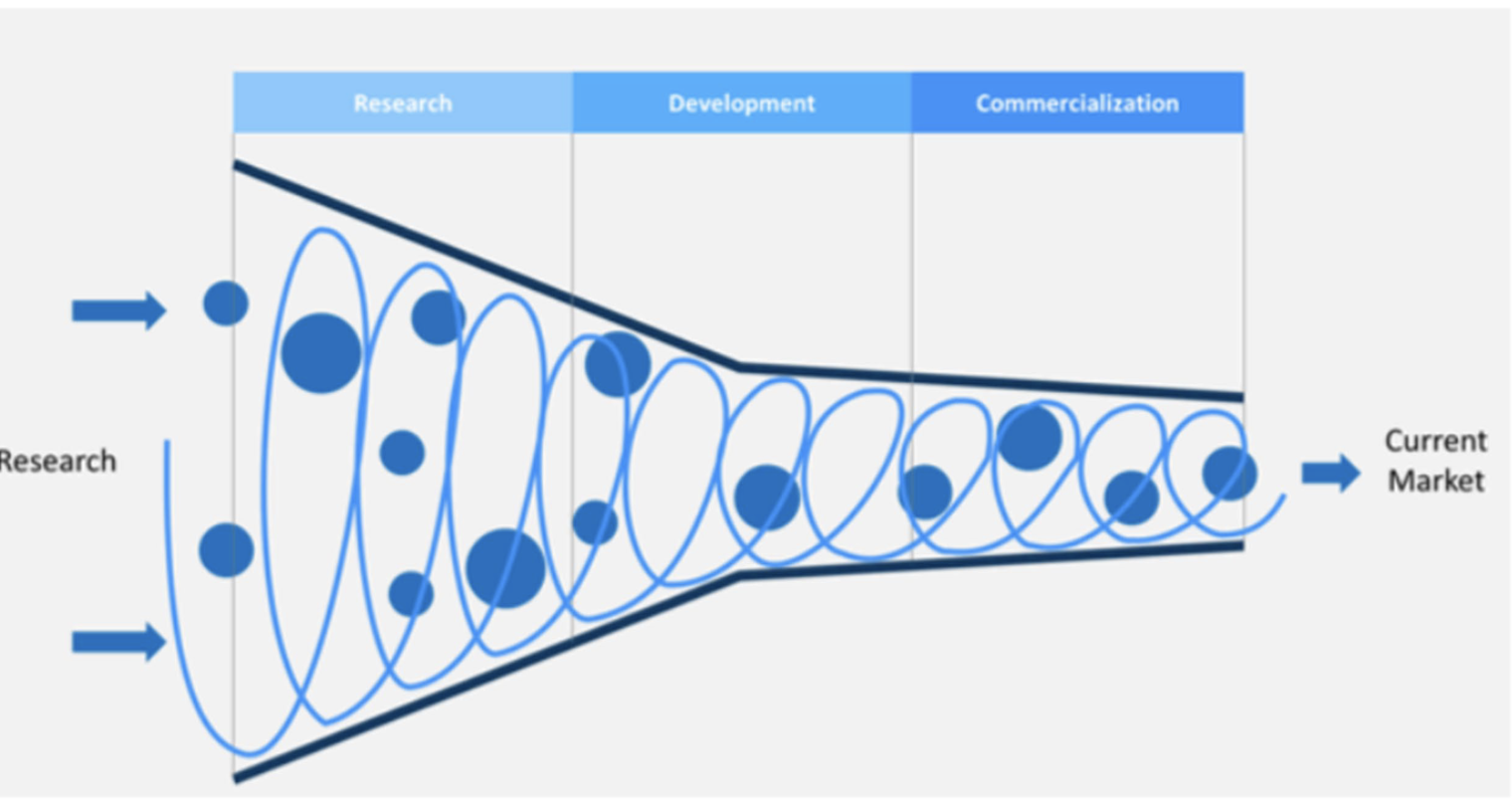
Starts with a broad set of ideas and gradually narrows them down, based on strategic fit, feasibility and potential value.
Orgs have different variations, but usually follows the stages:
- Discovery
- Scoping
- Concept Dev & Evaluation
- BA & Planning
- Dev, prototyping
- Testing & validation
- Commercialization / Launch
- Post-launch review
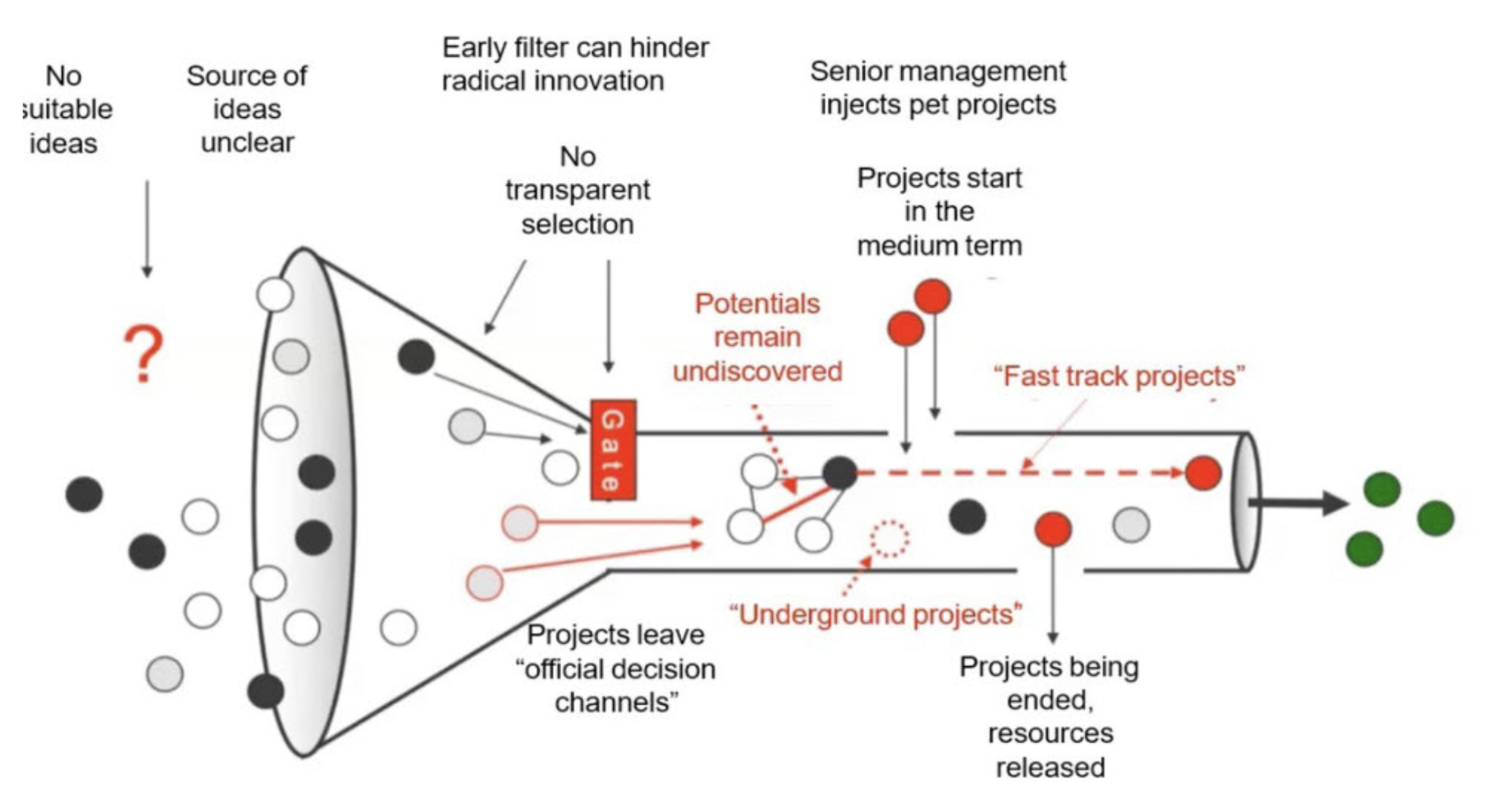
Various Exceptions to the funnel model
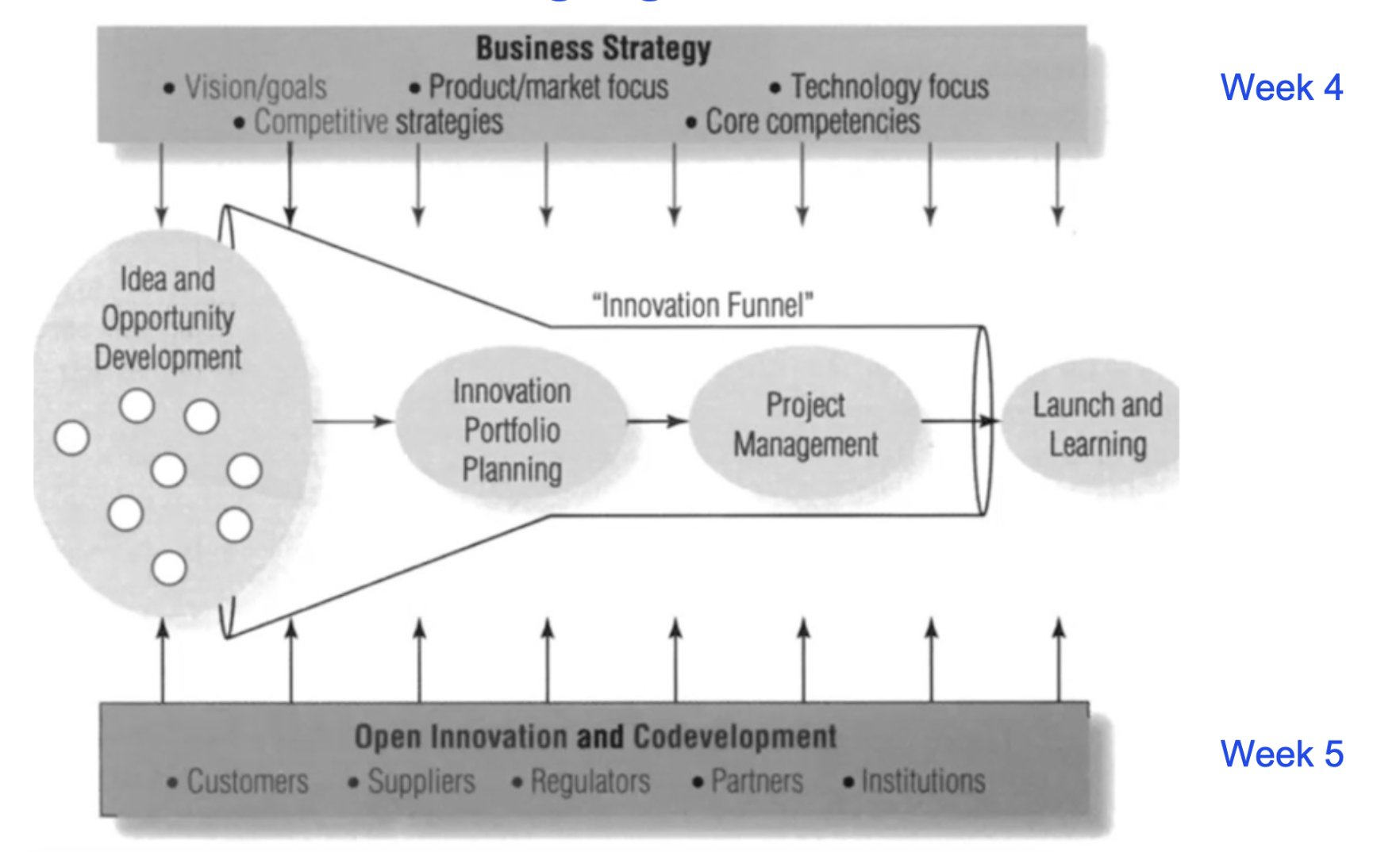
Competencies for Managing the Innovation Process
Double Diamond
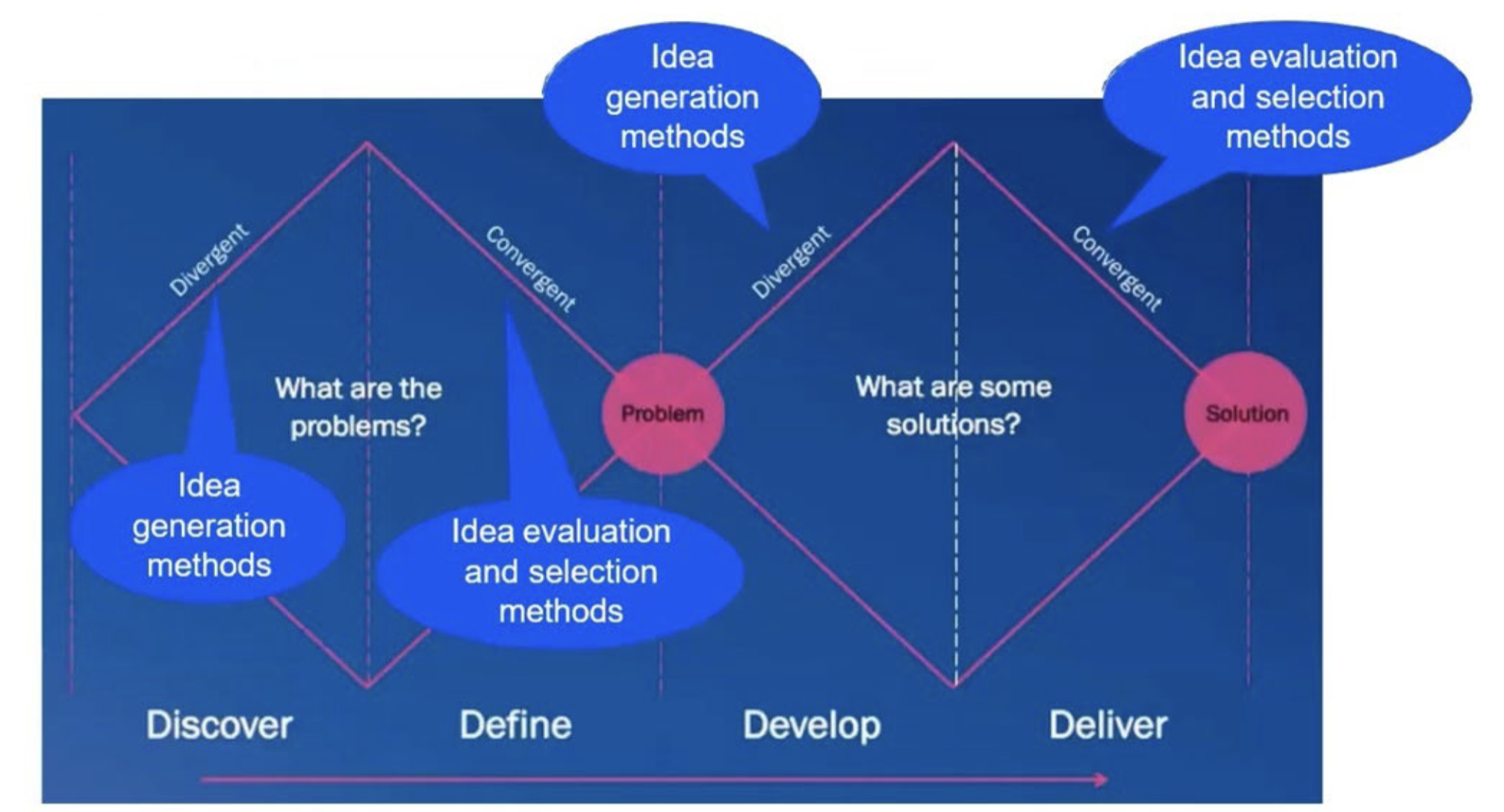 What’s the right solution, being aware of it Lots of orgs operate this way, design thinking, human centric design uses this
- Discover
- Broad exploration
- Collect user insights, research, and data to understand the problem space
- Define
- Synthesize findings from previous stage
- Narrow down to a clear, well defined problem statement or design brief
- Develop
- Generate multiple potential solutions or concepts
- Brainstorm, prototype and explore approaches
- Deliver
- Refine and select the final solution to implement
- Test, finailize and deliver the solution
this emphasizes that problem-finding is as important as problem-solving
encourages wide exploration before narrowing down solutions
Useful for ensuring designers and innovators address the right problem before developing solutions
Triple Diamond
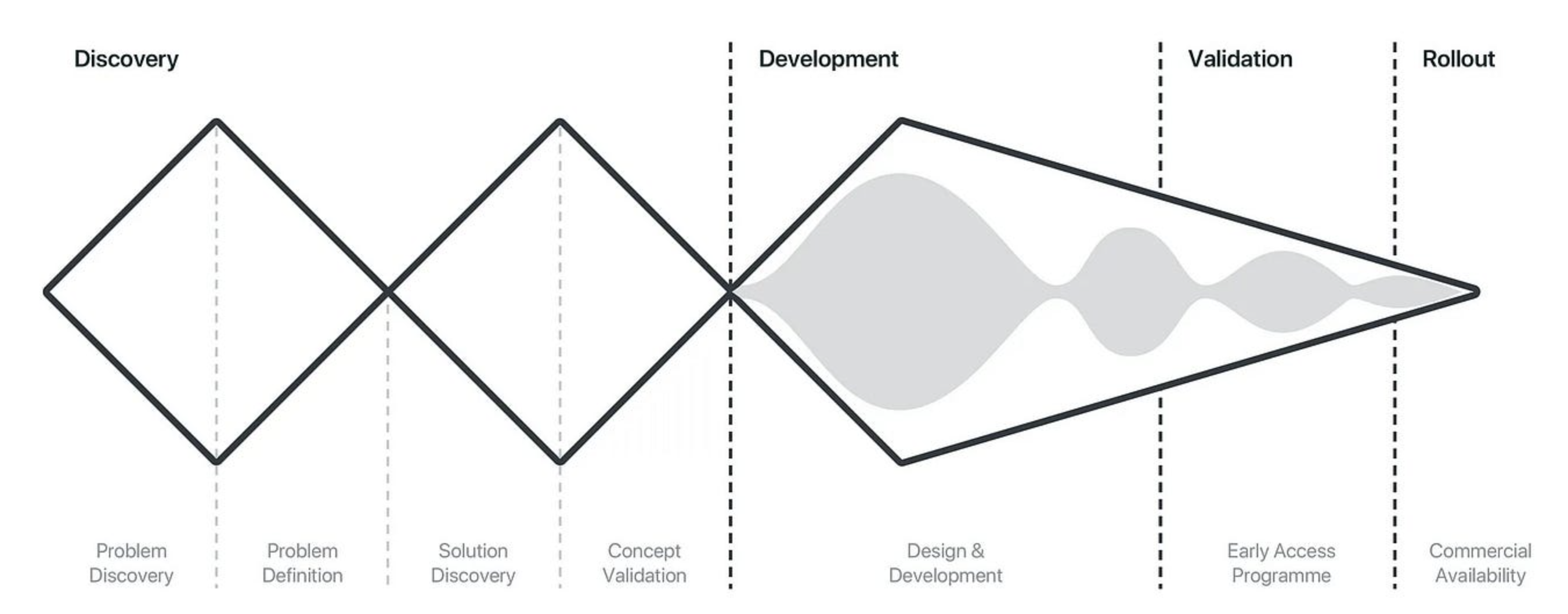
Pre-Diamond for Framing & Strategy
Diamond 1: Frame
Analyze the broader context (market, ecosystem, organizational goals). Align on overall vision or strategic intent before diving into problem discovery.
Diamond 2: Discover & Define (same as Double Diamond’s first diamond)
Deep user research to clarify which problem(s) to solve. Converge on a specific, actionable challenge.
Diamond 3: Develop & Deliver (same as Double Diamond’s second diamond)
Divergent exploration of solutions. Convergent selection and implementation of the optimal solution.
Post-Diamond for Scale & Sustain
- Sustaining the new solution,
- Scaling it to different contexts or user groups, and
- Measuring impact over time.
Diamond 1 and Diamond 2 mirror the Double Diamond (discover/define, develop/deliver). Diamond 3 emphasizes operationalizing, evaluating, and continuously improving the solution in the real world—particularly important for ongoing services or policies.
Organisational View
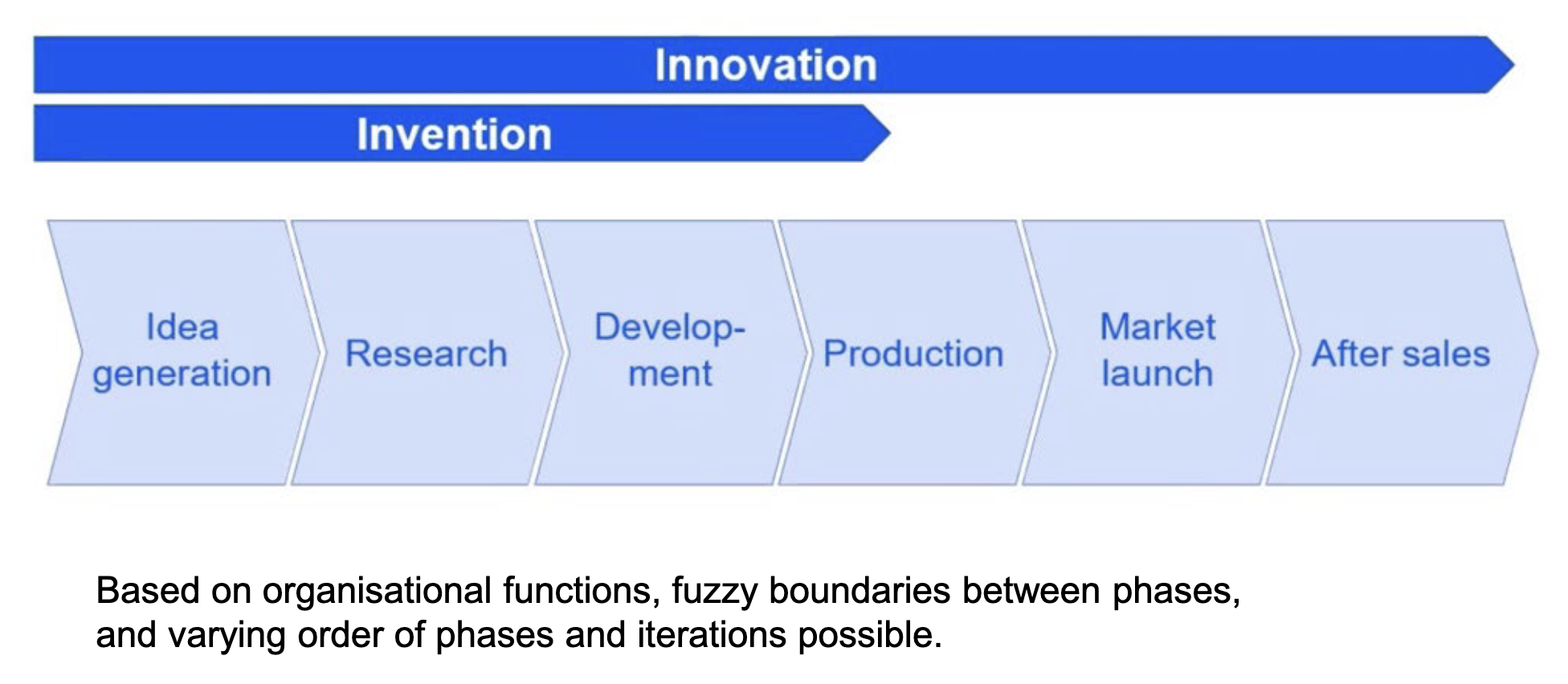
Life Cycleview
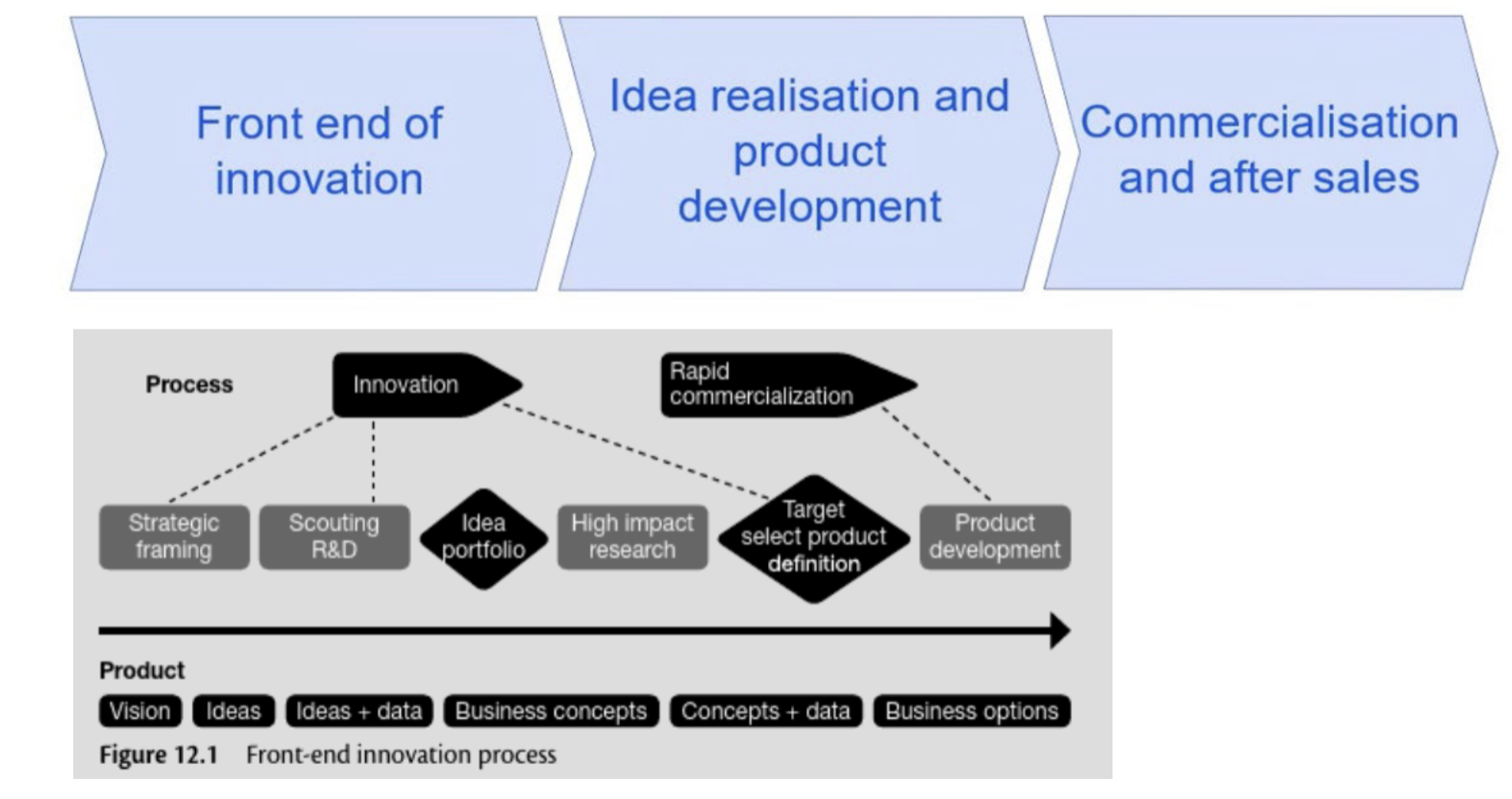
Generic Innovation Process Model
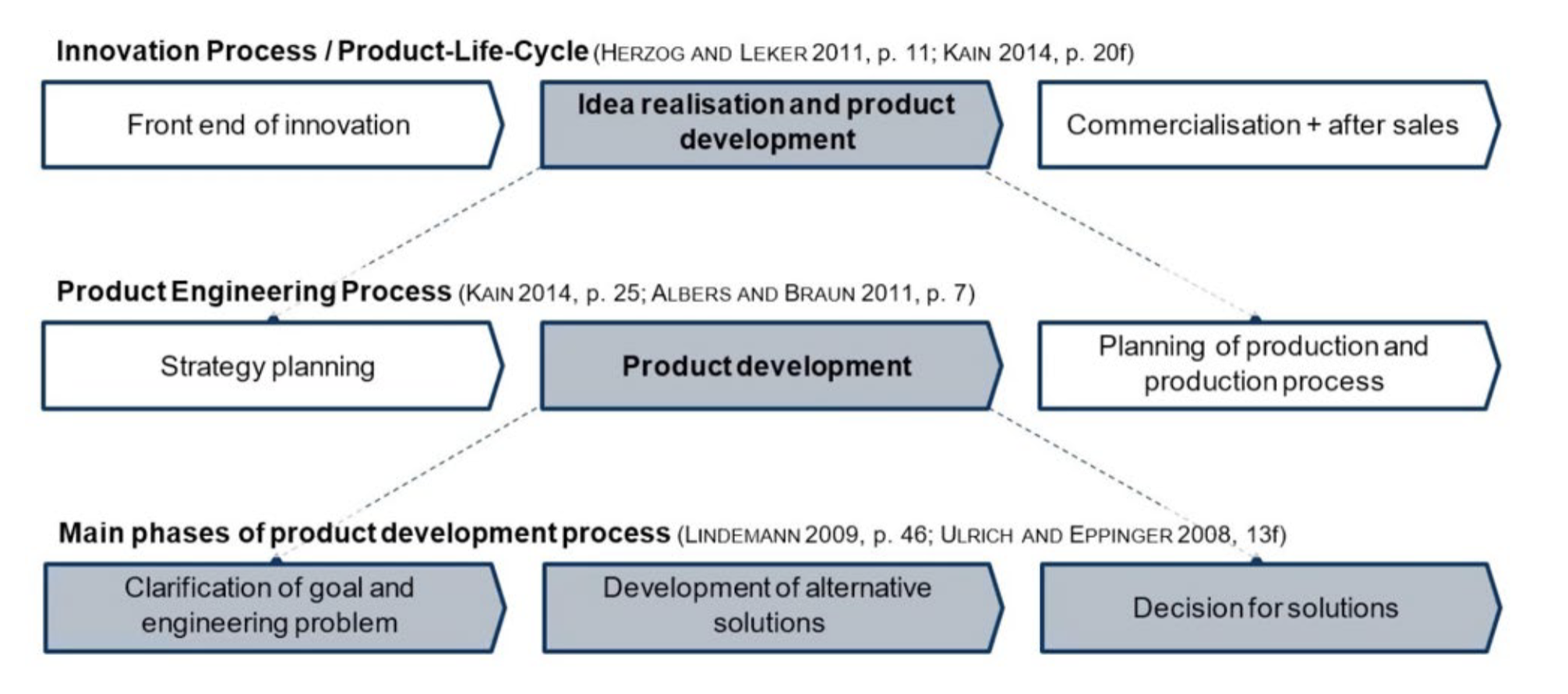
Procedures for Innovation
Models structure the innovation and dev process in distinctive and plannable steps:
Phases:
- Scoping/analysis & framing
- Generation of alternative solutions (+ structuring of problem and dev of solutions)
- Selection (+ evaluation of alternative solution)
- Dev and Implementation
Stage Gate Process
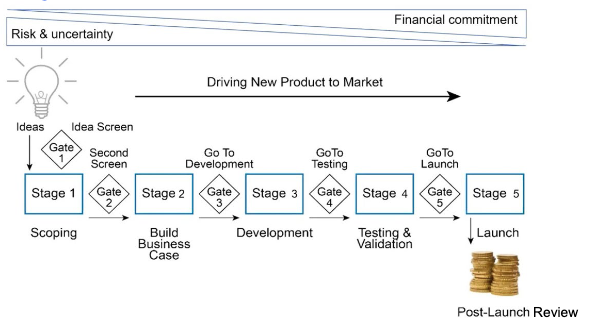
Benchmarks before moving onto the next stage
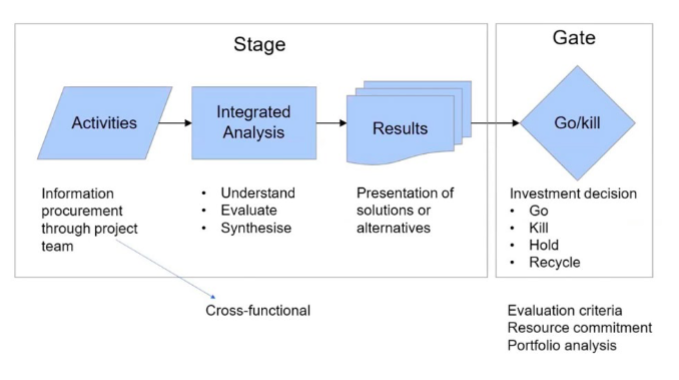
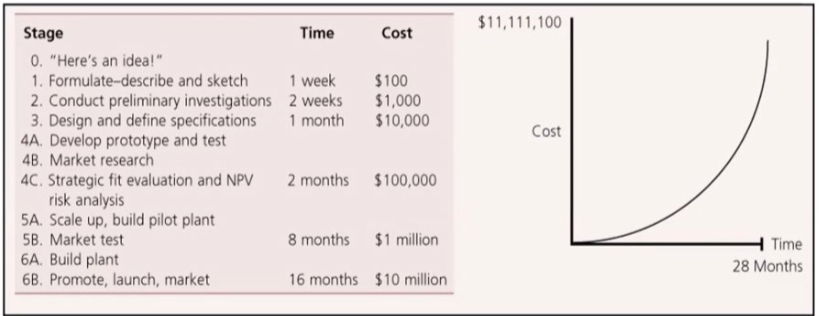
Early mistakes are cheaper, also shows the importance of Go/Kill decisions. Actual costs spent, not costs committed.
Rules of Engagement for Gate Keepers
- All projects must go through gates
- Obligation to appear at gates - for gate keepers and teams
- Decisions to proceed can only be made at gate
- Gate keeper decide upon pre-defined evaluation criteria
- Resource allocations must be compiled with
Potential challenges
- Suspension of creativity if implemented as a strictly linear process
- Gates not enforced or lack teeth
- Too many gatekeepers / Time commitment
- Conflicts of Interest (eg, project leader as gatekeeper)
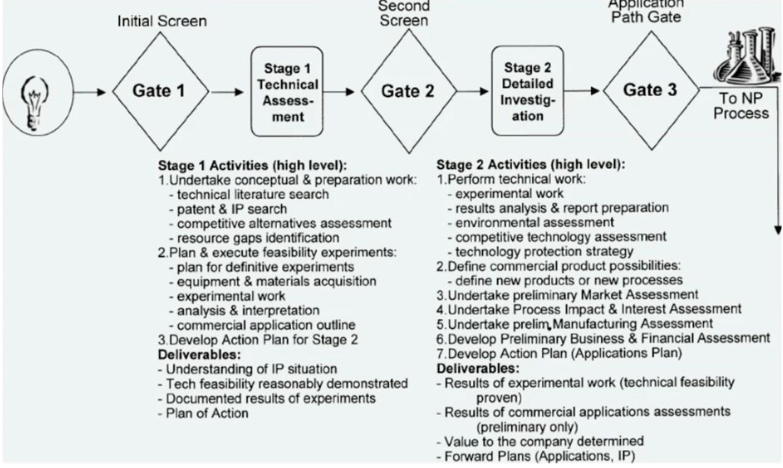
Variation 1 Tech dev & science projects
Financial Risk / Scope levels
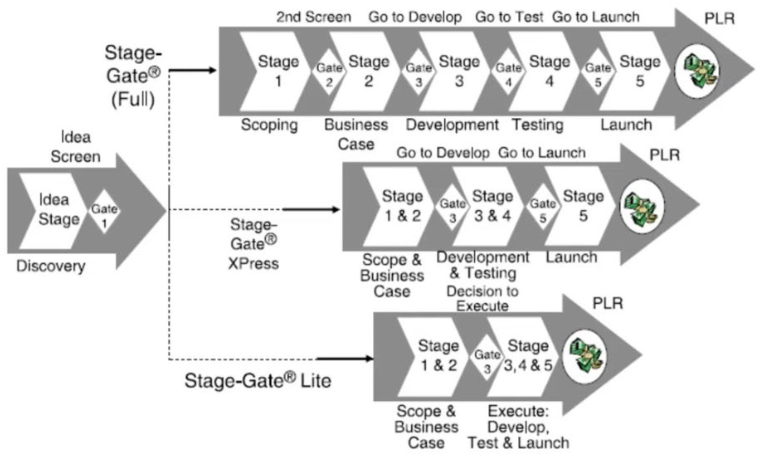
Tailoring Stage Gate Process
you rate ‘Important’, ‘Neutral’ or ‘Less Important’ for both incremental and radical innovations
People and Innovation
Pattern-Breaking Thinking
We call Out-of-the-box thinking that is needed to create unexpected ideas “pattern-breaking” thinking
Why do brainstorming fail?
- Extrovert vs Introvert
- Immediate judgement
- Peer Pressure
- Disengaged participants
- -Facilitator’s pen
Brainstorming principles
- avoiding group thinking initially
- allow their individuals ideas to come out and then build on top of the ideas
Five creative thinking tools
- Reverse Hidden assumptions
- Force associations
- Make comparisons
- Take other perspectives
- Start from an outrageous idea
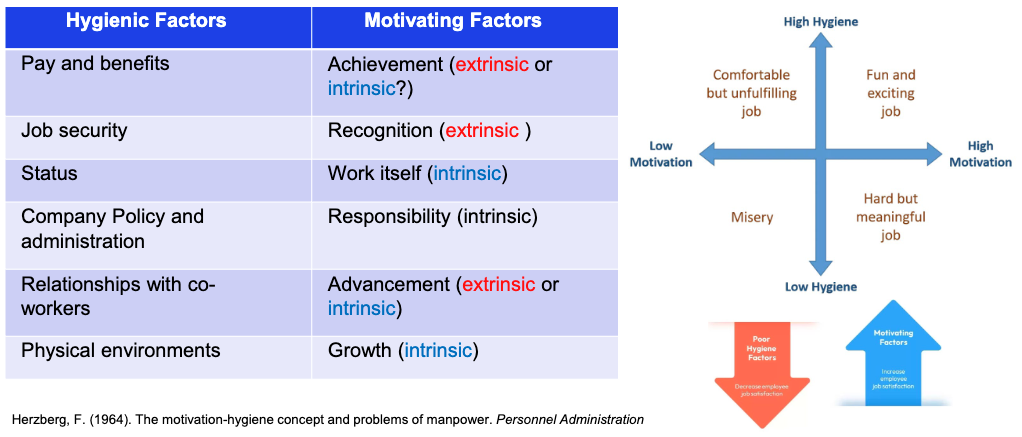
Herzberg’s Hygienic and Motivating Factors