Project Management Week 2 (32541)
What is a Project
Temporary, unique, definite start and an end, produces a service or a product.
Set of activities that consume resources, carried out to an agreed scope, agreed duration, agreed cost, with the purpose of producing an output to an agreed quality.
What is a Process
Permanent, Repetitive, Can being whenever, Produces a service or product
Q) “Project is to paint a wall in the house”
A) this is NOT a project
there is no deadline, no specific criteria
What is a program
Bunch of projects obtains benefits and conflicts you can’t get on individual projects
What is a portfolio
Bunch of programs Multiple year managed as a mix of programs or major projects
Project management
Bigger picture, how organisational resources are being used
An assessment of risks to their portfoliio of projects
A rough metric for measuring the improvements of managing projects relative to others in the industry
Linkages to senior management
Performance management of projects
A clear definition of benefits
nowadays:
need to view it as a holistic view (as a whole bigger picture)
Strategy
Organisational culture: (project -> program -> portfolio -> strategy)
Holistic Approach
includes:
- project selection
- Monitoring aggregate resource levels and skills
- Use of best practices
- Balancing projects in a portfolio
- Improving communication among all stakeholders
- An organisational perspective, beyond silo thinking
- Improving management of projects over time.
Knowledge Areas
- Integration
- Scope
- Time
- Cost
- Quality
- (Human) Resource
- Communications
- Risk
- Procurement
- Stakeholder
issue vs risk
issue is something that needs to be addressed right now but risk is something that can happen.
procurement
means buying, request for quote, you might get vendors and procurement is to see what’s the best value for money. (quality is important tho)
Role of a PM
- Recognise the different interests of stakeholders
- Reconcile competing interests between stakeholders
| Leader | Manager |
|---|---|
| communication skills | communication skills |
| ability to delegate | trust worthy |
| emotional intelligence | build a culture |
| illicit respect | assertive |
| problem solver | resolves conflict |
| motivator |
Competencies of PM
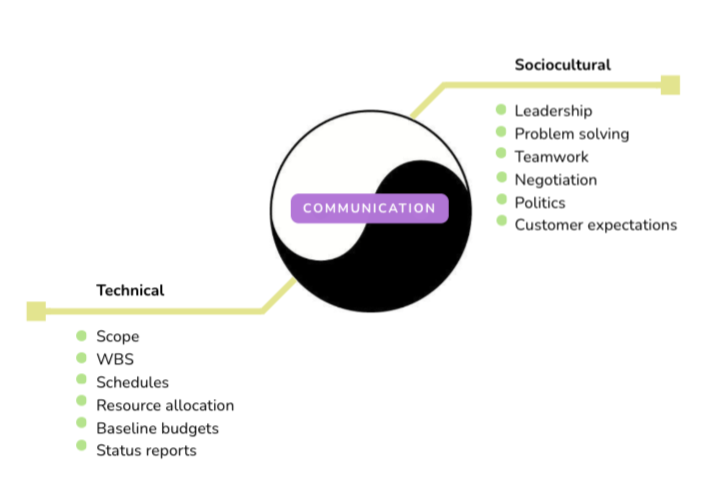
Why is Project Management Important
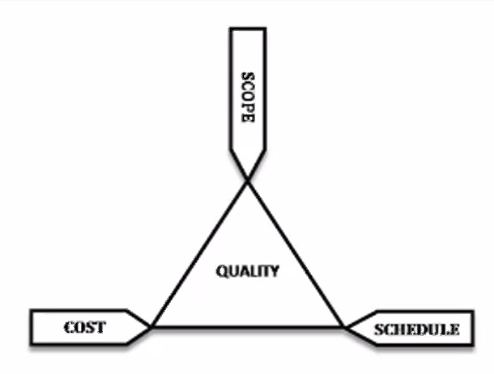
Iron triangle
uniqueness must be measured quaity of work is constrained by the 3 factors, PM can trade between constraints.
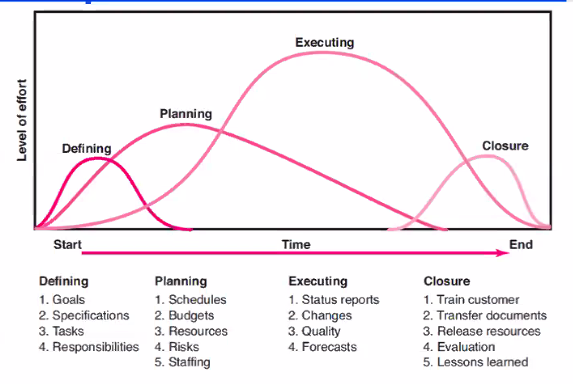
Project life cycles
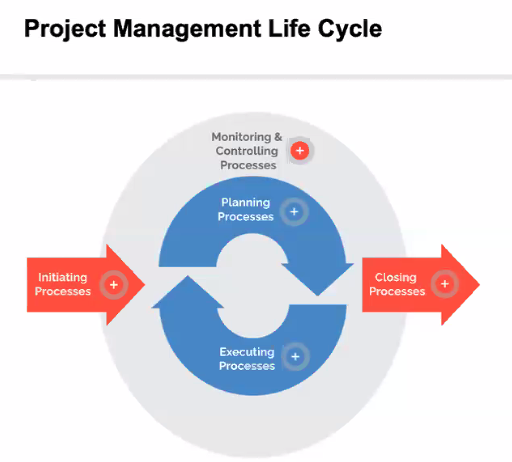
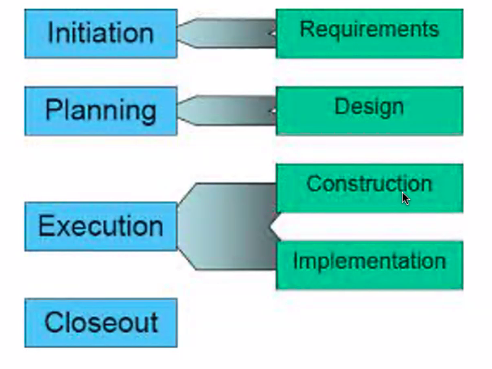
Project Management Life Cycle
5 phases of what we do will have what the projects’ life cycle have
Project Charter
- Project statement or justification
- Objectives
- Success criteria
- Risks
- Assumptions and constraints
- Signatures for approvals
Methodologies
Process that produces software, which is deemed to produce the highest quality at the lowest cost in the shortest time
SDLC
- Planning & Requirements Analysis
- Systems Design
- Development
- Testing/QA
- Deployment
Waterfall Approach
step by step approach 60~90s
Spiral Model
Planning, Risk analysis, Planning, Evaluation iterative on top of each other
Very costly.
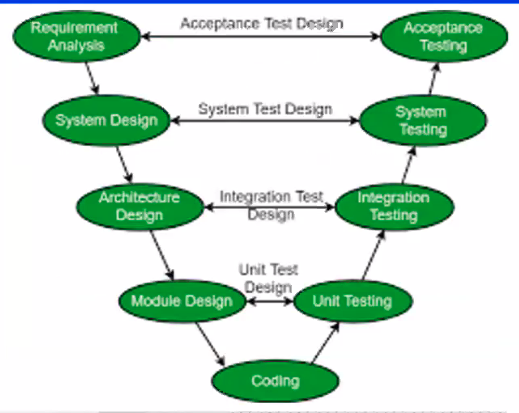
V-shaped
Not used alot as it is not flexible.
Scrum
Sprints, output is usable product (Agile method)
Kanban
similar to scrum but more flexible (Agile)
Extreme programming
quick at building solutions (Agile)
PMLC vs SDLC
Certifies and sets standard what PM should look like
Certified PMP (have to renew every 3 years)
Assignment 1
Due 9th March
Select a project from your work/school/life and create a one-page project charter. You will discuss your project with your tutor and peers in your tutorial. The one-page charter will include all of the key elements of a project including but not limited to:
Project statement – engineer or IT related themed project Intended Details – scope, timelines, risk, stakeholders, including team member roles, etc.. Check for completeness of project charter
Project selected will be carried on the whole semester